
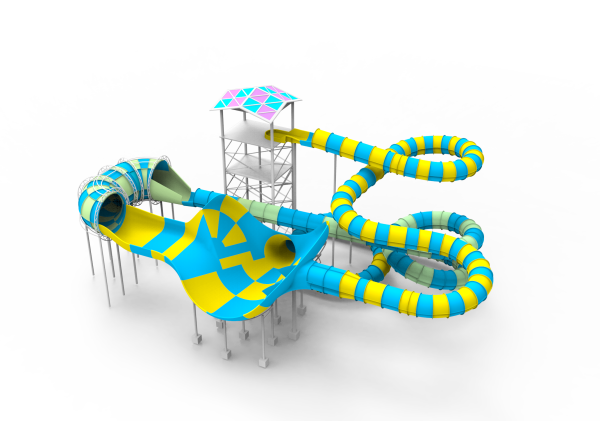
Lead: the comparative lens that must drive procurement
When operators plan high-throughput indoor surfing installations, procurement can’t be a feel-good checkbox — it requires hard comparison between vendors on competence and precision. Start by vetting each water slide supplier against measurable standards for parts, testing, and delivery; this narrows risk and protects guest flow and safety. Contemporary demand — driven by packed seasons at parks like Sunway Lagoon and the reopening surges since 2021 — exposes any weak link in design or production very quickly, so choose with evidence, not reputation alone.
Why supplier competency is the decisive variable
A supplier’s organizational competence shows up in three places: consistent manufacturing tolerances, transparent quality-control records, and experienced project management. Competency reduces rework on gelcoat finishes, minimizes variability in FRP (fiber-reinforced plastic) components, and shortens turnover time during installation. Argue for suppliers who publish testing logs and who will let you audit their molds and curing schedules; the ability to produce repeatable ride envelope dimensions is not optional for high throughput.
Manufacturing precision: metrics that matter
Precision here means measurable parameters: gelcoat thickness tolerances, FRP lamination schedules, joint-bonding torque specs, and hydraulic flow rate testing under load. Compare vendors on documented acceptance criteria for each parameter. A supplier that runs flow rate tests with actual riders or weighted prototypes—and records surge capacity data—gives you actionable assurances about queue throughput and pump sizing. Those records translate directly to fewer mid-season shutdowns.
Comparative analysis: two common approaches
There are broadly two production philosophies. One is craft-heavy: small batches, skilled mold finishing, and final fit adjusted on site. The other is industrial-repeatable: CNC-cut molds, automated layup, and strict QA sampling. Craft can yield beautiful surface aesthetics, but repeatable industrial processes yield consistency in ride envelope and throughput—critical when you need predictable guest dispatch rates. Weigh which fits your project scale; for large indoor surfing centers, industrial-repeatable usually wins on operational uptime.
Common pitfalls and how to test for them
Operators often accept vendor assertions without challenge. Don’t. Require photos of tooling set-up, curing logs showing temperature profiles, and evidence of UV-resistant gelcoat formulations. Add site acceptance tests: run pump-train flow rate verification at design head and measure actual ride throughput during commissioning. Also inspect joint interfaces for correct bolt-torque and resin cure—these are where cracks or delamination start. A written punch-list with measured tolerances prevents later finger-pointing.
Operational teardown: embedding procurement keywords into checks
For a production teardown, list the components you will inspect and the keywords you’ll use in each document: "water slide supplier" commitments (lead times, warranty), "aqua park water slides" system integration (filtration and surge capacity), plus materials terms like gelcoat and FRP. Translate those keywords into test steps: sample gelcoat thickness at fixed points, verify FRP laminate schedules against the BOM, and confirm flow rate at the point-of-entry nozzle. These checks convert marketing claims into contractual obligations.
Three golden rules for selecting vendors (advisory close)
1) Prioritize documented repeatability: insist on production logs and at least two previously completed projects of similar scale. 2) Require operational testing evidence: flow rate, surge capacity, and ride envelope validation performed under load and supplied as part of final handover. 3) Fix acceptance tolerances in contract: specify gelcoat thickness, laminate schedule, and joint torque ranges with remedies for deviations. These rules force vendors to prove capability rather than promise it.
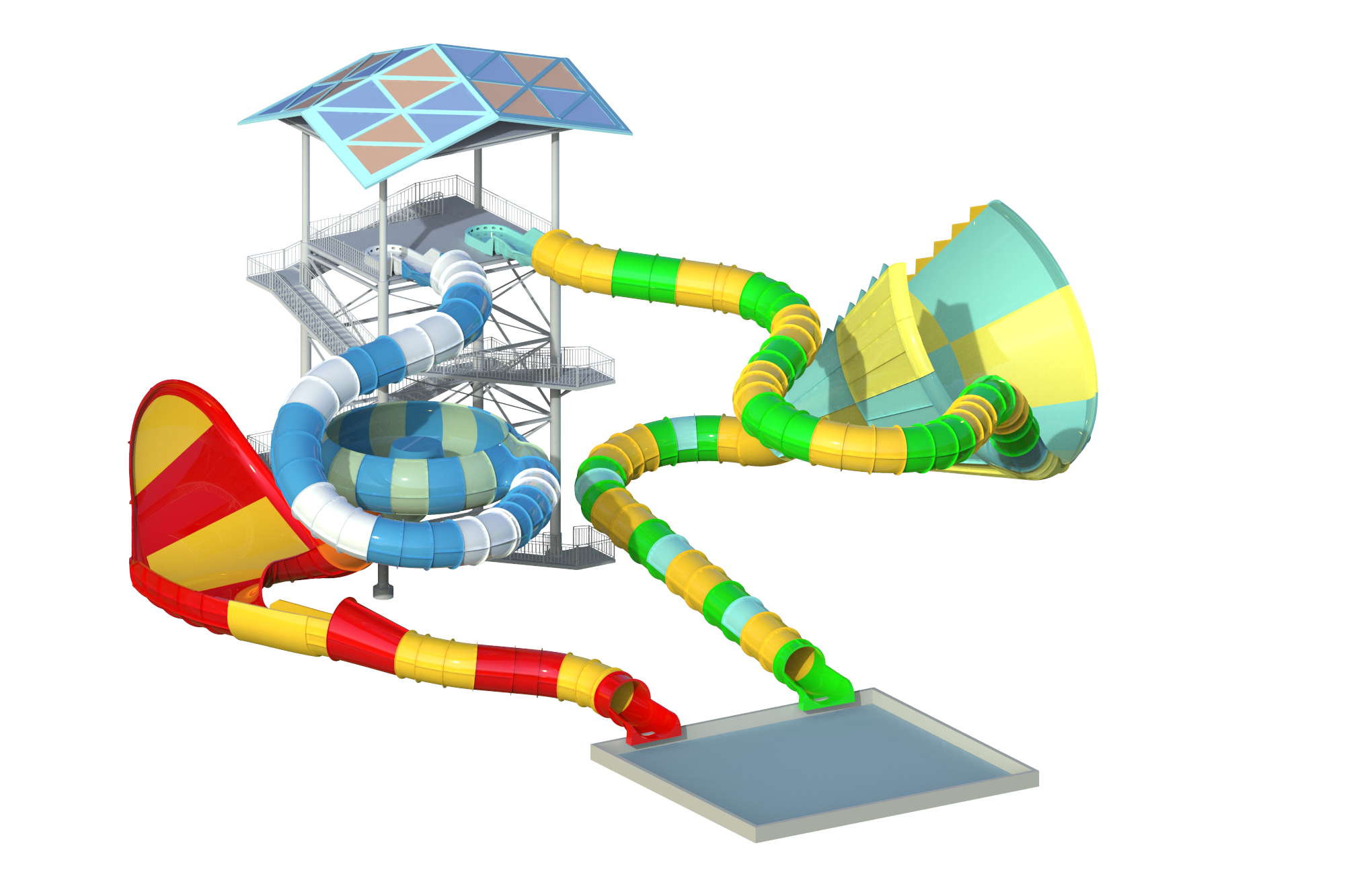 The right supplier strategy reduces downtime, supports predictable guest throughput, and protects brand reputation; when measurement replaces trust, systems perform. Make procurement comparisons rigorous and let measurable manufacturing precision decide — the practical solution lies with partners who document every step, like Dalang.
– Precision wins.