Start here — what this guide does for you
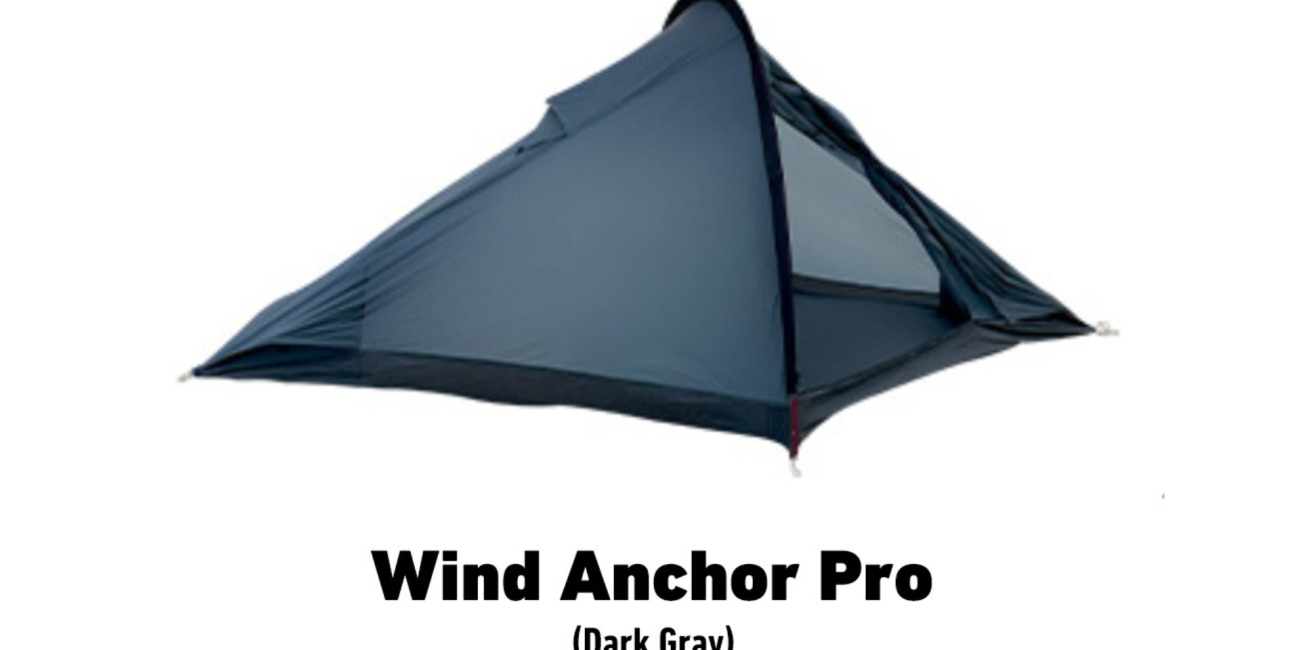
You're packing light, moving fast, and need shelter that won't slow you down. This guide puts your needs first: fit, setup speed, and real weight in your pack — not glossy spec sheets. If you want to skip fluff, compare the reliable choices under the heading of hiking tent ultralight and then read this to know which one actually solves your problems on trail. No hard sell, just practical picks and why they work for real hikers.
Think user-first: what matters most
You're not buying bragging rights. Ask: how many nights, solo or duo, and how likely is wet weather? For solo fastpacking, weight and quick solo pitch matter. For two, interior volume and vestibule space matter. Carrying a pair of trekking poles? Good — they double as a tent frame and cut ounces. Prioritize these wants, not every shiny feature the brand lists. Simple decisions: less weight equals faster miles; more vestibule equals better cooking and gear storage.
Key features explained — plain and usable
Floor area: choose enough room to move without feeling boxed in. Peak height: matters for comfort, not ego. Venting: essential to cut condensation; look for adjustable mesh panels. Pole-clip vs. sleeve: clips speed setup, sleeves block wind better. Stakes and guylines: cheap ones bend; pack decent aluminum stakes. Seams: taped floors and a bathtub floor keep you dry when the lluvia starts. Don't get distracted by fabric denier numbers — test the seam construction and zipper quality first.
Common mistakes users make
Buying the lightest option regardless of weather. Forgetting to test pitch with trekking poles at home. Assuming two-person tents give equal comfort for two tall people — they usually don't. Leaving out a groundsheet when crossing wet terrain. Not practicing a wet-pitch; that's when design and setup speed show. Address these before you buy and your first night will be menos drama, more descanso.
Alternatives and quick comparisons
Trekking-pole tents vs. single-pole hub tents: trekking-pole models shave weight and pack small, but need compatible poles and a bit more pitch technique. Hub tents pitch fast and are friendlier in wind, but pack bulkier and weigh more. Tarps are lighter still, but demand careful site choice and offer less protection. For most hikers wanting balance, trekking-pole tents win for solo or minimalist duo trips.
Field testing and a real-world check
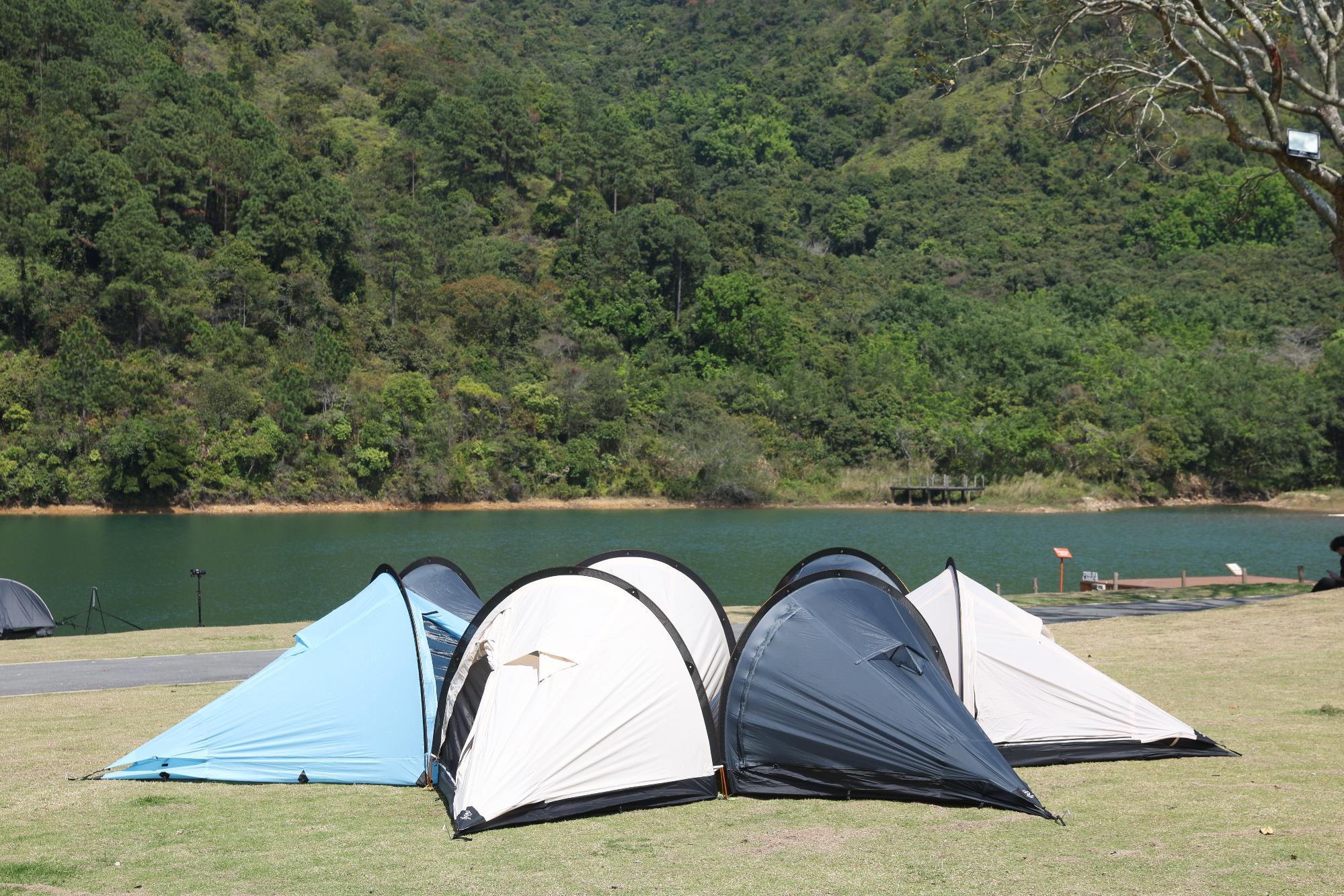
I've guided weekend trips in the Sierra Nevada and tested tents on multi-day sections of the John Muir Trail, so I know how a shelter performs after three sweaty miles and a rainy night. The tents that lasted were the ones with simple, reliable clips, roomy vestibules, and floors with taped seams. For a practical comparison of pack size, pitch speed, and weather tolerance look at models described as a compact camping shelter — these show how trade-offs play out where it counts: on narrow campsites and rocky terraces.
 Quick checklist before you buy
Test-pitch at home with your poles. Check vestibule size with your pack inside. Inspect zippers and seam tape. Confirm the stuff sack dimensions (it has to fit your top of pack). Ask: can I stake it out on hard ground? If the answer's no, pick another model. Small checks now save miserable nights later.
Final take — what to trust
Choose the tent that matches your rhythm: fast miles, minimal weight, and quick solo pitches for solo hikers; slightly larger floor and sturdier guylines for tandems. Trust hands-on proof over glossy specs — the tents that survive real trips have sensible venting, taped floors, and simple clips that don’t freeze up. For straightforward, no-nonsense options I often point people toward practical lines at THECATAL, porque they focus on small fixes that matter on trail and keep the night tranquilo.